
Should You Do A Subaru Engine Flush?
Concerning the preservation of top-notch performance for your Subaru, a common query frequently arises among car enthusiasts and buyers regarding the importance and necessity of a Subaru engine flush. The conversation around maintaining your vehicle’s engine health is vast and varied, with opinions diverging based on individual experiences and the specific needs of one’s car. In this exploration, we aim to shed light on the topic, providing valuable insights to help you make an informed decision.

Understanding Engine Flushes
An engine flush is a maintenance procedure designed to clean out accumulated sludge, carbon deposits, and other unwanted residues within your engine. This process involves circulating a special cleaning solution through the engine, followed by a thorough draining to remove the contaminants. The ultimate goal is to ensure that the internal engine components, particularly those involved in oil circulation, are free of obstructions and can operate at their best.
The Case for Engine Flushes in Subarus
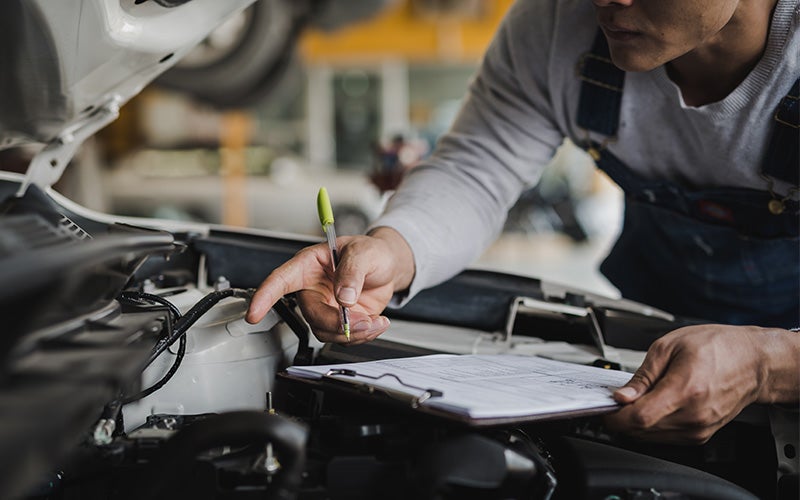
Subaru vehicles are renowned for their durability and reliability, often traversing challenging terrains and enduring harsh conditions. However, like all machines, they are not immune to the build-up of sludge and deposits, especially if regular maintenance schedules are not adhered to. An engine flush can be particularly beneficial in the following scenarios:
- Regular Maintenance: For newer models that receive consistent servicing, an occasional flush can be a preventive measure, ensuring that minor build-ups are addressed before they escalate.
- Sludge Detection: If you’ve noticed signs of sludge accumulation, or if your Subaru exhibits performance issues linked to dirty engine components, an engine flush might be a wise choice.
Considerations for Older Models
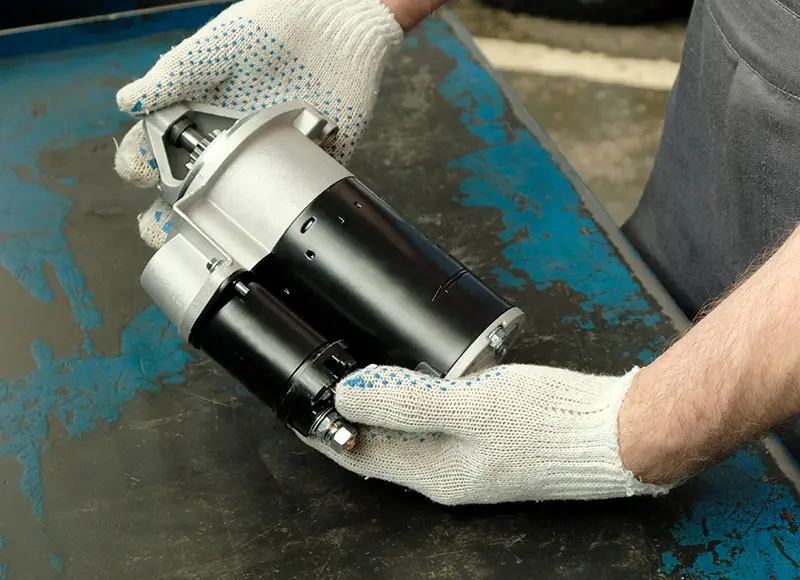
The decision to proceed with an engine flush should be approached with caution, especially for older Subaru models or those with significant mileage. Hidden issues, such as deteriorating seals or gaskets, could be exacerbated by the flushing process. In such cases, the removal of sludge might unveil leaks or other problems that were previously sealed by the accumulated gunk. Therefore, a thorough assessment by a professional is recommended before deciding.
Weighing the Benefits Against the Risks
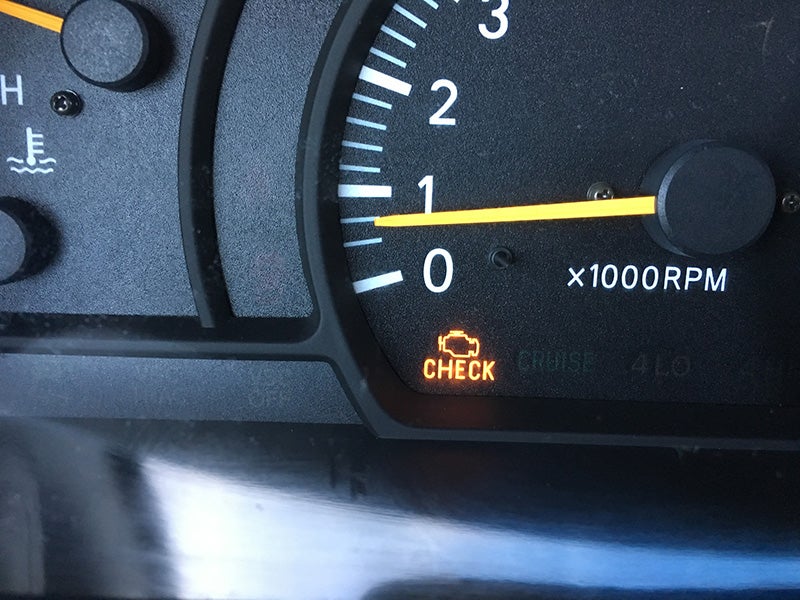
The benefits of an engine flush include enhanced engine efficiency, smoother operation, and potentially extended engine life. Clean internal components mean reduced friction, better lubrication, and, ultimately, improved performance. However, the risks cannot be ignored. Aside from the potential for uncovering hidden issues in older cars, there’s also the consideration of necessity. Not every Subaru will require an engine flush, particularly if it has been regularly serviced and maintained according to the manufacturer’s recommendations.
Costs and Frequency
The cost of undergoing an engine flush varies, typically adding $20 to $100 to a standard service fee for preventive maintenance. For vehicles requiring immediate attention due to sludge accumulation, the price can range between $150 to $250, depending on the specific Subaru model and the severity of the issue. As for frequency, there’s no one-size-fits-all answer. The need for an engine flush should be determined based on individual vehicle conditions, usage patterns, and expert advice from a trusted service provider.
Deciding whether to undertake an engine flush for your Subaru is not a decision to be made lightly. It requires a balanced consideration of your vehicle’s age, condition, and maintenance history. Consulting with a professional mechanic or a Subaru maintenance facility can provide personalized advice tailored to your vehicle’s specific needs.
Before making any decisions, consider visiting a trusted Subaru maintenance facility in St James, NY, where experts can offer guidance and services tailored to your car’s unique requirements, ensuring its longevity and performance are maintained at the highest standards.
Competition Subaru of Smithtown
601 Middle Country Road, St James, NY 11780
Contact UsHours
| Monday | 9:00AM - 8:00PM |
| Tuesday | 9:00AM - 8:00PM |
| Wednesday | 9:00AM - 8:00PM |
| Thursday | 9:00AM - 8:00PM |
| Friday | 9:00AM - 8:00PM |
| Saturday | 9:00AM - 6:00PM |
| Sunday | 11:00AM - 5:00PM |
| Monday | 7:30AM - 5:30PM |
| Tuesday | 7:30AM - 5:30PM |
| Wednesday | 7:30AM - 5:30PM |
| Thursday | 7:30AM - 5:30PM |
| Friday | 7:30AM - 5:30PM |
| Saturday | 8:00AM - 5:00PM |
| Sunday | Closed |
| Monday | 7:30AM - 5:00PM |
| Tuesday | 7:30AM - 5:00PM |
| Wednesday | 7:30AM - 5:00PM |
| Thursday | 7:30AM - 5:00PM |
| Friday | 7:30AM - 5:00PM |
| Saturday | 8:00AM - 5:00PM |
| Sunday | Closed |